A library of
scented memories.
We have a large range of well-researched perfume and essential oils — from ancient recipes and ayurvedic ingredients to the scented native orchids of Singapore.
ENQUIRE NOWExplore the
aroma library.
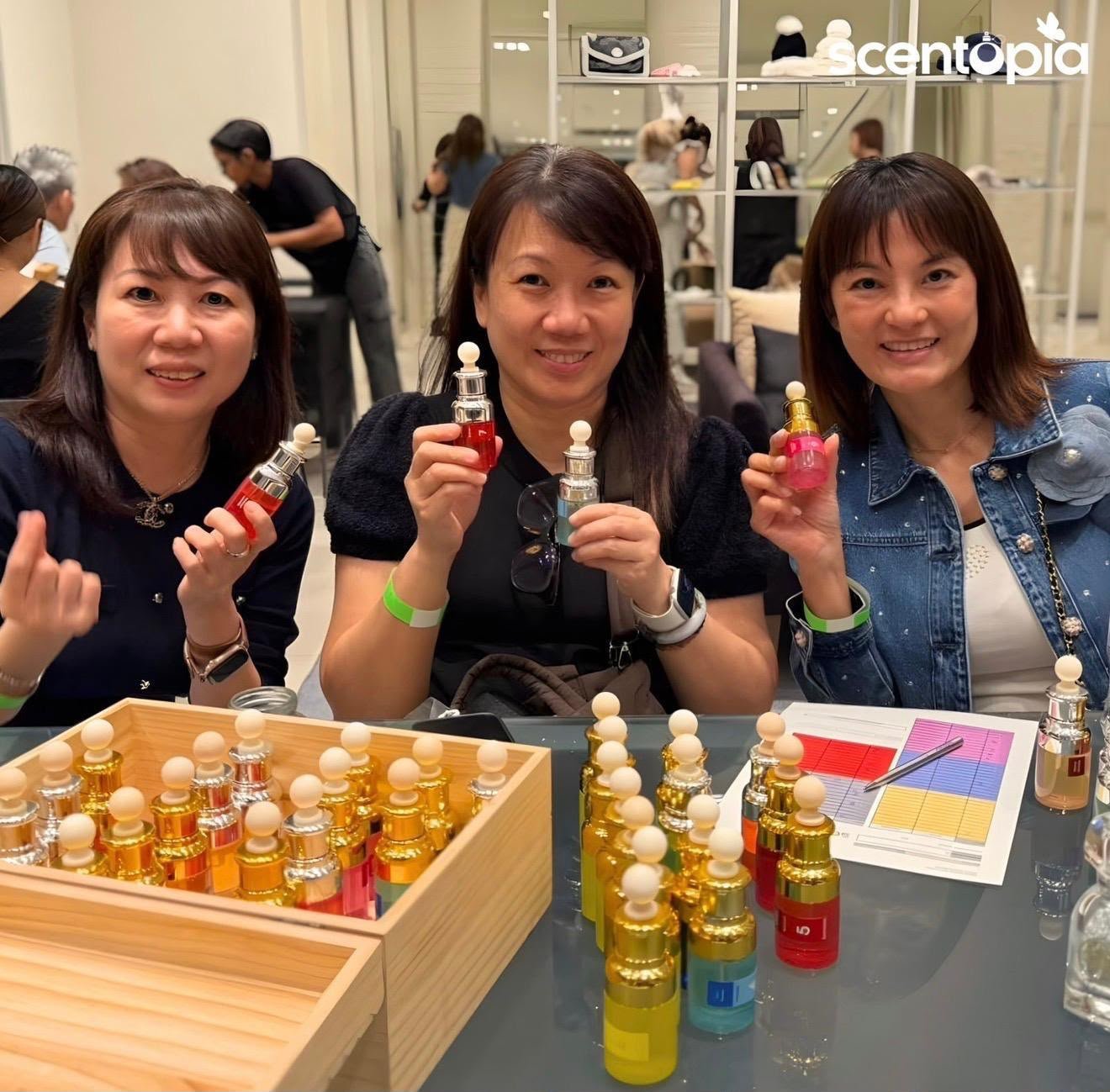
Ancient perfume recipes
Resins and oils drawn from the world’s earliest documented fragrance traditions.
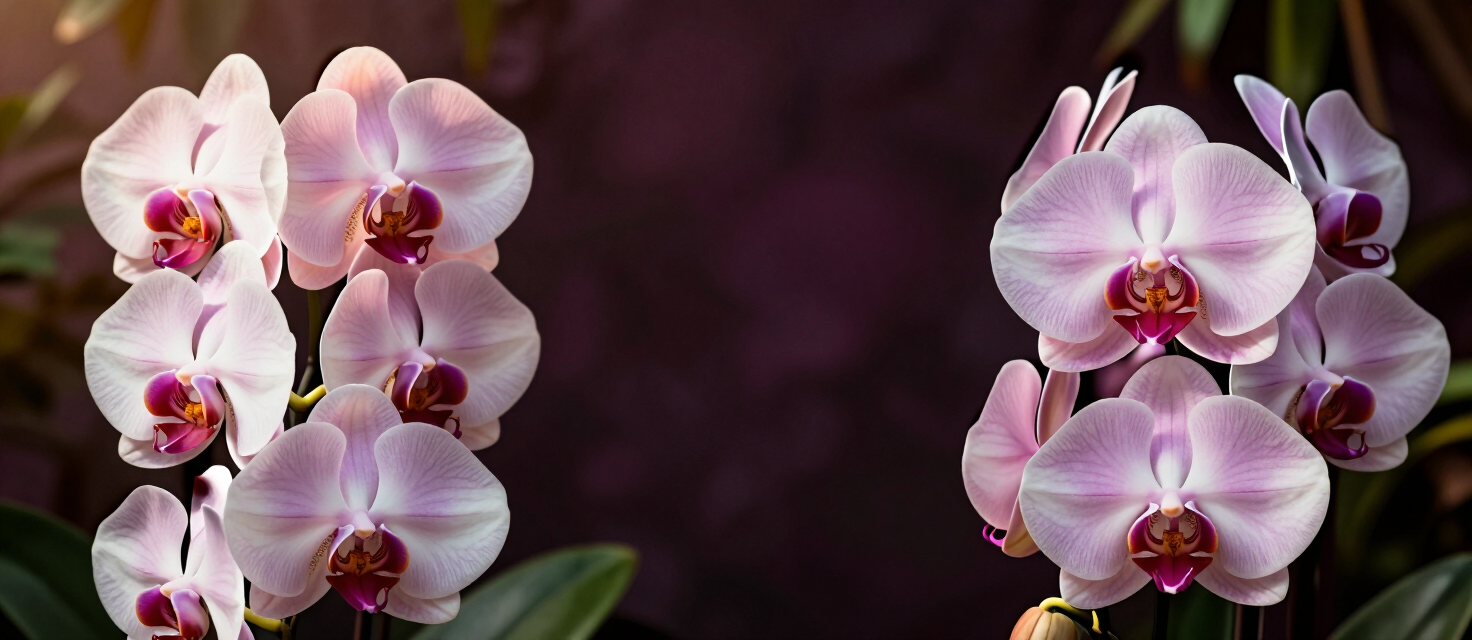
Ayurvedic ingredients
Aromatic materials rooted in Indian wellness and botanical heritage.
Common perfume ingredients
The familiar building blocks of everyday fragrance — citrus, florals and woods.
Singapore native orchids
Scented notes inspired by Singapore’s unique floral heritage.
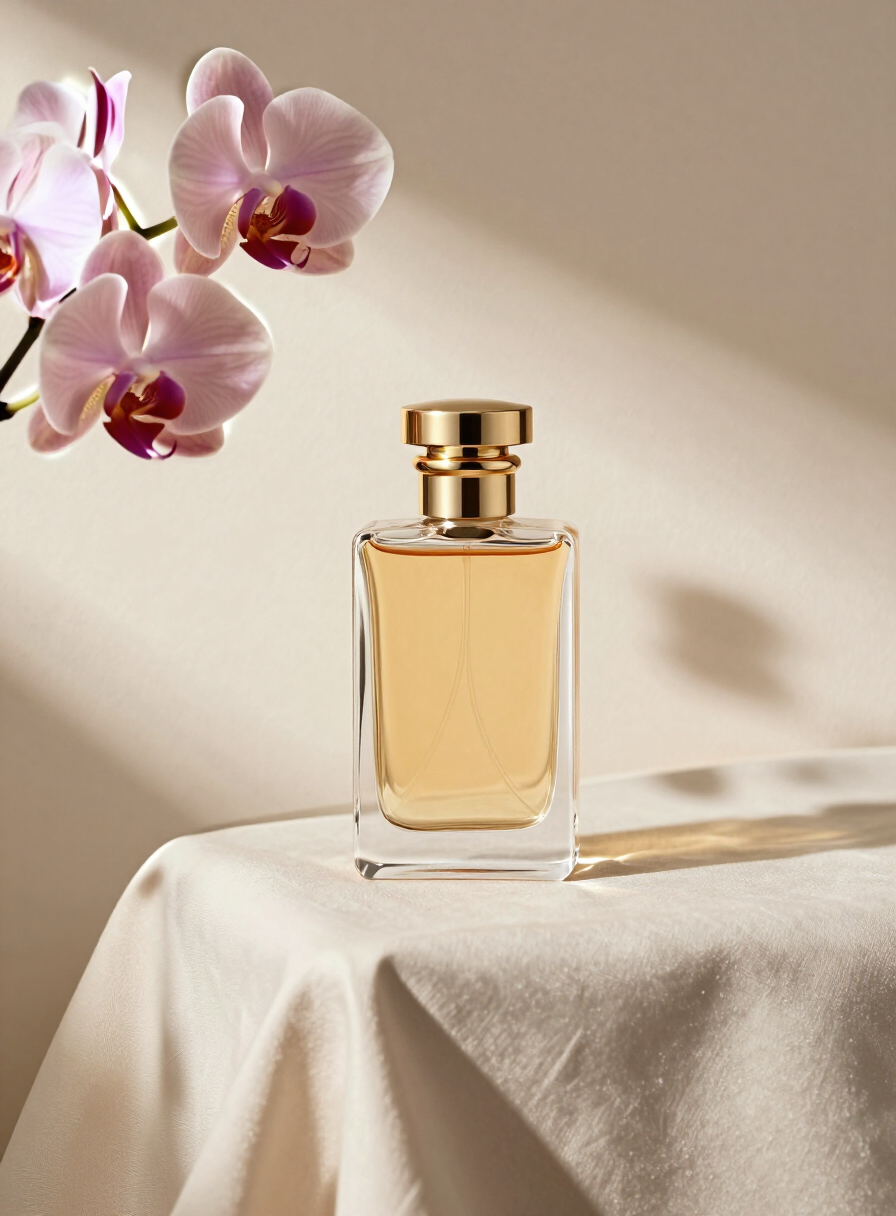
Rare perfume ingredients
Precious, hard-to-source materials for the curious nose.
Therapeutic orchids of Asia
Orchid notes explored for their aromatic and therapeutic qualities.
From fumes
to fine perfume.
The history of fragrance
Perfumes (par fumes, meaning “from fumes”) were used as offerings to gods and ancestors, seeking blessings for good crops, rain and fertility. All five ancient civilisations — Indus Valley, Mesopotamia, Chinese, Egyptian and Mayan — burned aromatic substances to send smoke into the air. These fragrances were used for religious ceremonies and sacred purposes, and were resins and essential oils.
The first perfumers
The first documented chemist, Tapputi, was from the Mesopotamian civilisation, and the first fragrances as we know them were crafted by the ancient Egyptians, who often wore a wax perfumed cone over their head. Through trade with India, Arabia and the Middle East, they added incense, myrrh, woods and scented resins.
From ritual to beauty
The ancient Greeks invented new ingredients for fragrances — and not just for religious rituals. Perfume slowly became linked to body care and beauty, which now plays a crucial role in cosmetology. During the Renaissance, aromatic ingredients became less popular as medicine and their main purpose became perfumes for the body.
Perfume in modern days
During the 20th century, the majority of perfumes used some form of synthetic essence. Today, fragrances are original creations and real artwork. In 2000, a movement began where people became a perfumer for a day and created their own unique scent — we joined this movement to bring it to a wider audience, including Singapore.
A journey through
time & scent.
The first manuscript of fragrant ingredients is founded in China, suggesting perfumes were made before the Chinese dynasty.
In Cyprus, historians found a 43,000 sq ft factory extracting essential oils for fragrances or medicinal use.
A distillation vessel is found at Harappa, the richest city of the Indus Valley civilisation.
Tapputi, from Mesopotamia, is a chemist who used essential oils for medicinal purposes — the first documented perfumer.
The tomb of King Tutankhamun used blue lotus and frankincense to remove bad odours from the mummified body.
Early written records appear about various ingredients used for making perfumes.
Ready to create
a scent of your own?
Your signature fragrance is waiting to be discovered.